Table of Contents
I used to think umbrella insurance was just something rich people bragged about at dinner parties. Turned out I was wrong. Really wrong.
Then my neighbor’s kid tripped on our cracked walkway. Broke his arm in two places. His mom’s medical bills hit $180k before we even got to physical therapy.
Thankfully homeowners covered some. But umbrella insurance coverage kicked in for the rest. That day changed everything I thought I knew about claims.
What actually triggers a claim?
Here’s what nobody tells you. Your umbrella policy doesn’t do anything until your primary insurance is completely tapped out.
Like completely. Every last dollar of your auto or homeowners liability limit.
So if you have $300k on your car insurance and cause a crash that costs $1M, your primary pays the first chunk. Then excess liability insurance steps up for the remaining $700k [18†L16-L23].
But if you let your underlying policy lapse last month? You’re on your own. No coverage at all. Insurance companies check this stuff before they pay a dime [8†L37-L41].
Most common reasons claims get denied
Let me save you some heartbreak. About 85% of denied claims could’ve been avoided [6†L20-L21]. Seriously.
Late reporting is the #1 killer. Some policies require notification within 48 hours. Not two weeks. Not “when you get around to it.” Immediately [6†L6-L7].
My buddy waited ten days to report his rental property accident. The tenant’s guest slipped on ice. By the time he called, the adjuster asked why he didn’t document the scene first. They reduced his payout by 40%.
Incomplete documentation is another trap. Photos matter. Receipts matter. Witness statements matter. Insurance companies need proof [6†L7-L8].
Also – and this one hurts – if you gave inaccurate info on your application two years ago, they can deny everything. Even if it was an honest mistake [6†L10-L11].
What do I do if my claim gets denied?
Don’t panic. But don’t just accept it either.
First, read that denial letter carefully. Compare it against your actual policy language. Sometimes adjusters get it wrong [7†L22-L24].
Gather every piece of evidence you have. Photographs. Police reports. Medical records. Text messages with the other party. Everything [7†L24-L25].
Then write a formal appeal letter. Be polite but firm. Explain why their reason doesn’t match your policy terms. Attach your supporting docs [7†L26-L27].
If they still say no? File a complaint with your state’s insurance department. Every state has one. They take this stuff seriously [7†L28-L30].
One friend of mine got denied for a dog bite claim. Turns out the adjuster overlooked a key endorsement in his policy. After he appealed with evidence, they paid the full $75k settlement.
Will they really cover my dog?
This depends entirely on the breed and your dog’s history.
Pit bulls, Rottweilers, Dobermans – many umbrella policies specifically exclude them [14†L11-L14]. Even if your underlying homeowners covers the breed, the umbrella might not.
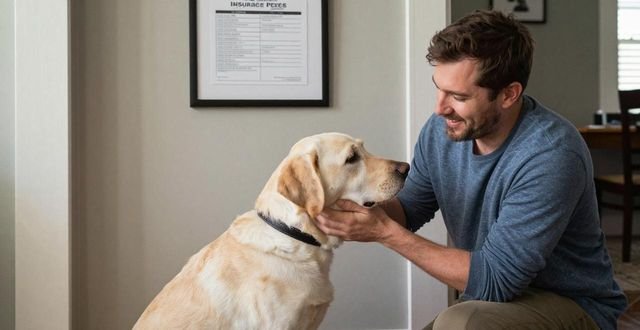
Had a client whose Labrador bit the mailman. He was fine because his policy had no breed restrictions. But if that dog had bitten someone before? The claim would’ve been denied. Previous incidents matter [3†L49-L50].
Always check your policy wording. Some carriers exclude ALL animal liability under umbrella insurance coverage. Others embrace it as a standard feature. Read before you need it.
Rental property claims are different
Landlords, listen up. If you own rental property and a tenant or their guest gets hurt on site, umbrella insurance can absolutely help [2†L18-L23].
But there’s a catch. Your personal umbrella policy might not cover business-related rental activities. Some policies have strict “no business operations” exclusions [14†L30-L36].
Check whether your rental is considered “business” in the policy language. You might need a separate commercial umbrella policy. Don’t assume you’re covered just because you own the place.
What umbrella insurance absolutely won’t cover
Let me be blunt about this.
Intentional acts. You punch someone at a bar? You’re paying that lawsuit yourself. Insurance isn’t a get-out-of-jail-free card for bad behavior [14†L20-L27].
Business losses from a home-based operation. Your freelance graphic design client sues you? Your personal umbrella policy says sorry, not my problem [14†L30-L36].
Your own medical bills or damaged property. That’s what health insurance and your primary policies are for. Umbrella only covers what you owe to other people [15†L19-L24].
And floods or earthquakes. Those require separate policies entirely [14†L53-L59].
How long does a claim actually take?
Weeks to months. Sometimes over a year if there’s litigation involved.
The insurance company has to investigate. They’ll interview witnesses. Review medical records. Calculate damages. And that’s before they even determine if the claim is valid.
One thing that speeds things up? Responding immediately when they ask for documents. Every delay you cause gives them an excuse to drag their feet.
Also,don’t settle anything on your own. If someone wants to negotiate directly with you, refer them to your insurance company. Making your own deal can void your umbrella coverage entirely [8†L25-L28].
Final thought nobody tells you
Umbrella insurance isn’t magic. It won’t protect you from stupid decisions or intentional harm.
But when life throws something truly unexpected – a dog bite, a pool accident, a teenage driver’s mistake – that extra layer can save everything you’ve worked for.
My neighbor never thought he’d need his policy either. Neither did the family up the street who got sued after their trampoline sent a kid to the ER.
You buy umbrella coverage hoping you’ll never use it. But if you do, knowing how claims work might be the only thing standing between you and bankruptcy.
Don’t wait until something happens to read your policy. By then, it’s too late to fix the gaps.
Related Articles



Need a Coverage Guide?
Explore our comprehensive umbrella insurance guides to find the right coverage for your family.
Browse Coverage Guides
Leave a Reply